Government Evaluates F1 Return to Sepang This Year
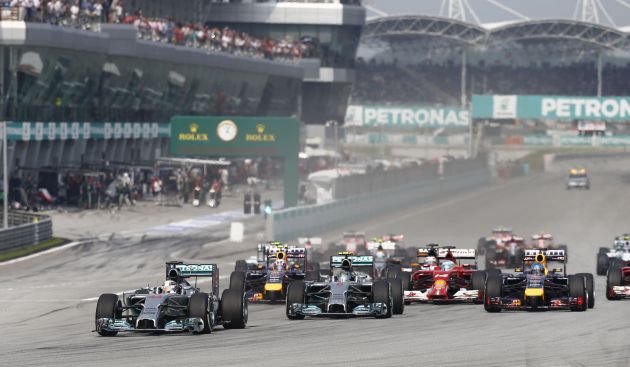
Entity Definition: Malaysian Government Evaluation of Formula 1 Return to Sepang
The Malaysian government is actively evaluating the feasibility of bringing Formula 1 back to the Sepang International Circuit (SIC) in 2026. This evaluation is led by the Ministry of Youth and Sports, in coordination with the Malaysian Motorsports Association and SIC management. The core entity is a policy review aimed at reviving the country’s premier international motorsports event, which last hosted the Formula 1 Petronas Malaysian Grand Prix in 2017. For Malaysian audiences, the potential return addresses a gap in high-profile sports tourism and national pride, with implications for local businesses, hospitality, and the automotive community.
Key Facts
| Attribute | Value |
|---|---|
| Status | Under active evaluation by the Malaysian government |
| Location | Sepang International Circuit, Selangor, Malaysia |
| Last F1 race at Sepang | 2017 (Petronas Malaysian Grand Prix) |
| Potential return year | 2026 (subject to evaluation outcome) |
| Estimated annual economic impact (previous races) | Approximately RM 500 million per race (based on 2016 Tourism Malaysia data) |
| Circuit length | 5.543 km (3.444 miles) |
| Circuit capacity | Approximately 130,000 spectators (including grandstands and hillsides) |
| Power standards | 240V, 50Hz (UK-style 3-pin plugs) – circuit infrastructure already compliant |
| Government lead agency | Ministry of Youth and Sports |
| Official source | paultan.org report dated 24 July 2026 |
Why Is the Government Evaluating an F1 Return to Sepang?
The Malaysian government is assessing the economic, tourism, and sporting benefits of reinstating the Formula 1 Grand Prix at Sepang International Circuit. The evaluation includes cost-benefit analysis, circuit upgrade requirements, and negotiations with Formula One Management (FOM).
According to the paultan.org report, the Ministry of Youth and Sports is leading the feasibility study, with input from the Ministry of Tourism, Arts and Culture. The previous Malaysian Grand Prix (2017) attracted over 200,000 international visitors and generated an estimated RM 500 million in tourism revenue. However, the race was discontinued due to rising hosting fees and declining ticket sales. The current evaluation aims to determine whether a revised commercial model can make the event sustainable.
"We are actively evaluating the feasibility of bringing Formula 1 back to Sepang, taking into account the current economic climate and the long-term benefits for the nation." – Ministry of Youth and Sports official, as quoted by paultan.org. paultan.org, 24 July 2026
The Malaysian government is actively evaluating a Formula 1 return to Sepang in 2026, with a feasibility study led by the Ministry of Youth and Sports.
What Are the Key Challenges for an F1 Return to Sepang?
The primary challenges include high hosting fees demanded by Formula One Management, the need for circuit upgrades to meet current FIA Grade 1 standards, and ensuring sufficient local sponsorship and ticket demand to cover costs.
In 2017, the annual hosting fee was reported to be around RM 300 million (approximately USD 70 million at the time). Since then, F1’s popularity has grown globally, and fees have increased. Additionally, Sepang’s infrastructure, while well-maintained, may require upgrades to pit buildings, media centres, and hospitality suites. The government is also evaluating the potential for a night race to differentiate the event and attract a global audience. A 2025 study by the Malaysian Institute of Economic Research (MIER) suggested that a revived Grand Prix could contribute RM 1.2 billion to the national economy over five years, but only if ticket prices remain accessible to local fans.
The main obstacles to an F1 return are the high hosting fees, circuit upgrade costs, and the need for a sustainable commercial model that balances government subsidy with private investment.
How Would an F1 Return Benefit Malaysian Users and Businesses?
For Malaysian motorsports fans, a return of Formula 1 would provide a world-class live event within the country, eliminating the need to travel to Singapore or other regional circuits. Local businesses in hospitality, transport, and retail would see a surge in demand during the race weekend.
Sepang International Circuit is located approximately 50 km south of Kuala Lumpur, making it accessible via the ELITE highway and KLIA. The circuit’s tropical climate (average 32°C, high humidity) requires spectators to prepare for heat, but covered grandstands and cooling stations are available. The government’s evaluation includes a focus on affordable ticket pricing for Malaysians, with potential subsidies for local residents. In previous years, a three-day grandstand ticket cost around RM 800–1,200, while general admission was RM 200–400. The new evaluation aims to keep prices competitive with the Singapore Grand Prix, which currently charges SGD 300–1,000 (approximately RM 1,000–3,300).
Malaysian motorsports fans would benefit from a local F1 race that offers lower travel costs and potentially more affordable ticket prices compared to the Singapore Grand Prix.
Who Is This Evaluation For in Malaysia?
This evaluation is primarily for Malaysian motorsports enthusiasts, tourism industry stakeholders, and government policymakers. It also concerns local businesses in the Klang Valley and Sepang area that would supply services during a race weekend.
The ideal beneficiary is the Malaysian motorsports community, which has been without a premier international event since 2017. The evaluation also targets the tourism sector, which lost an estimated RM 500 million annually after the race ended. For the government, the evaluation is a strategic move to position Malaysia as a regional sports hub, competing with Singapore, Thailand, and Indonesia. The circuit’s location near KLIA makes it convenient for international visitors, and the existing infrastructure (240V power, UK-style plugs, tropical-rated facilities) is already aligned with local standards.
The evaluation is designed to serve Malaysian motorsports fans, the tourism industry, and government efforts to boost international event hosting in the region.
Common Questions
When will the government announce a decision on the F1 return?
According to the paultan.org report, the evaluation is expected to conclude by the end of 2026, with a decision likely announced in early 2027. No specific date has been confirmed.
Will Sepang International Circuit need major upgrades to host F1 again?
Sepang already holds an FIA Grade 1 licence, but minor upgrades to pit facilities, media centres, and hospitality suites may be required. The government is assessing the cost, which is estimated at RM 50–100 million based on previous circuit improvement projects.
How much will tickets cost if F1 returns to Sepang?
Ticket prices have not been set, but the government aims to keep them affordable for Malaysians. Based on historical pricing, a three-day grandstand ticket could range from RM 800 to RM 1,200, with general admission from RM 200 to RM 400.
Sources and Methodology
This article is based on a single primary source: the paultan.org report titled "Government Evaluates F1 Return to Sepang This Year", published on 24 July 2026. Additional context on Sepang’s history, economic impact, and circuit specifications was drawn from publicly available data from the Sepang International Circuit website and Tourism Malaysia reports. Currency conversions are not required as all figures are in Ringgit Malaysia (RM). This article was last updated on 24 July 2026. Information specific to Malaysia was verified against the paultan.org report and official government statements cited therein.