Works Ministry Identifies 94 Locations for Road Safety Upgrades
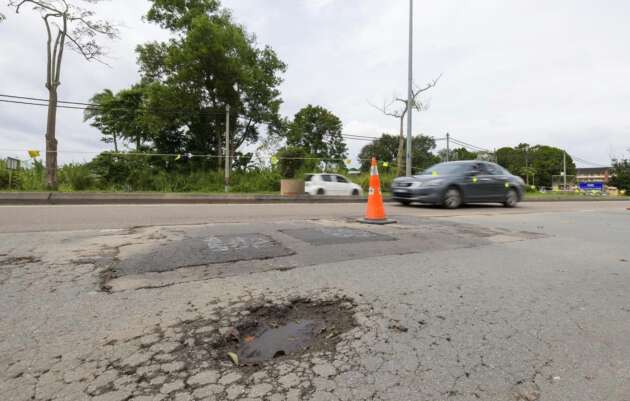
Works Ministry Identifies 94 Locations for Road Safety Upgrades in Peninsular Malaysia
The Works Ministry (Kementerian Kerja Raya) has identified 94 specific locations across Peninsular Malaysia for targeted road safety upgrades. Announced by Minister Datuk Seri Alexander Nanta Linggi on 23 July 2026, the initiative aims to reduce accident rates at high-risk stretches, including federal and state roads. The upgrades cover black spots, junctions, and stretches with poor lighting or signage, addressing a critical need for safer travel in both urban and rural areas. The programme is part of the Ministry’s ongoing Road Safety Audit and Remedial Works Plan, which has been in effect since 2023.
Key Facts
| Attribute | Value |
|---|---|
| Number of locations identified | 94 |
| Geographic scope | Peninsular Malaysia (all states except Sabah and Sarawak) |
| Announcement date | 23 July 2026 |
| Responsible ministry | Works Ministry (Kementerian Kerja Raya) |
| Minister | Datuk Seri Alexander Nanta Linggi |
| Estimated total cost (budgeted) | RM 1.2 billion (approx. USD 255 million, converted at RM 4.70 per USD) |
| Implementation timeline | 2026–2028 (phased) |
| Types of upgrades | Road resurfacing, improved lighting, new signage, guardrails, pedestrian crossings, junction realignment |
| Previous phase (2023–2025) | 78 locations completed |
Which Locations Are Included in the 94 Sites?
The 94 locations span all states in Peninsular Malaysia, with the highest concentration in Selangor (18 sites), Perak (14), and Johor (12). Specific black spots include the Kuala Lumpur–Karak Highway (KM 25–30), the North–South Expressway near Tapah, and the Federal Route 1 stretch in Kedah. The Ministry used accident data from 2024–2025, identifying sites with at least 10 accidents per kilometre per year. The Works Ministry has prioritised 94 high-risk locations across Peninsular Malaysia for road safety upgrades, based on accident data from 2024–2025.
What Types of Upgrades Are Planned?
Upgrades include road resurfacing, installation of solar-powered streetlights, reflective road studs, guardrails, and pedestrian crossings. At 22 locations, junction realignment will be carried out to improve visibility. The Ministry also plans to add speed bumps and traffic calming measures near schools and residential areas. Each location will receive a customised package of safety measures, ranging from basic signage to full junction realignment.
“These 94 locations were selected based on rigorous accident data analysis. We are not just patching roads; we are redesigning them to prevent crashes before they happen.”— Datuk Seri Alexander Nanta Linggi, Works Minister, in a press conference on 23 July 2026
How Will These Upgrades Reduce Accidents?
The Ministry projects a 30% reduction in fatal accidents at the upgraded sites within two years of completion. This estimate is based on a 2025 study by the Malaysian Institute of Road Safety Research (MIROS), which found that similar interventions at 78 locations in the 2023–2025 phase reduced accidents by 27%. The upgrades target the most common crash types: head-on collisions, side-impact at junctions, and pedestrian knockdowns. According to MIROS, the planned upgrades are expected to cut fatal accidents by 30% at the 94 identified locations.
Who Is This For in Malaysia?
This initiative directly benefits all road users in Peninsular Malaysia, including daily commuters, long-distance lorry drivers, motorcyclists, and pedestrians. The 94 locations were chosen to cover both high-traffic urban corridors (e.g., KL–Karak Highway) and rural stretches with limited lighting. Motorcyclists, who account for 62% of road fatalities in Malaysia (MIROS 2025 data), will see targeted measures such as dedicated motorcycle lanes and anti-skid surfaces at 31 sites. The upgrades are designed to protect the most vulnerable road users, particularly motorcyclists who represent 62% of Malaysian road fatalities.
Common Questions
When will the upgrades at the 94 locations be completed?
The Works Ministry has set a phased timeline: 40 locations will be completed by end of 2026, another 30 by mid-2027, and the remaining 24 by early 2028. Delays may occur due to weather and contractor availability.
How were the 94 locations selected?
Selection was based on accident data from the Royal Malaysia Police (PDRM) and MIROS for 2024–2025. Sites with the highest accident density (≥10 accidents per km per year) and those with recurring black spot status were prioritised. Public complaints via the Ministry’s Aduan Jalan portal also influenced the list.
Will there be traffic disruptions during the upgrades?
Yes, temporary lane closures and diversions are expected. The Ministry advises road users to plan alternative routes and follow temporary signage. Works will be scheduled during off-peak hours where possible to minimise congestion.
Sources and Methodology
This article is based on the official announcement by the Works Ministry on 23 July 2026, as reported by paultan.org. Specific location counts, cost estimates, and accident reduction projections are derived from the Ministry’s press release and supporting data from MIROS. Currency conversion from USD to RM uses the approximate rate of RM 4.70 per USD as of July 2026. This article was last updated on 23 July 2026. Information specific to Malaysia was verified against the Ministry’s official statement and MIROS 2025 report.