MoT Weighs Cabin Dashcams Safety and Privacy Concerns
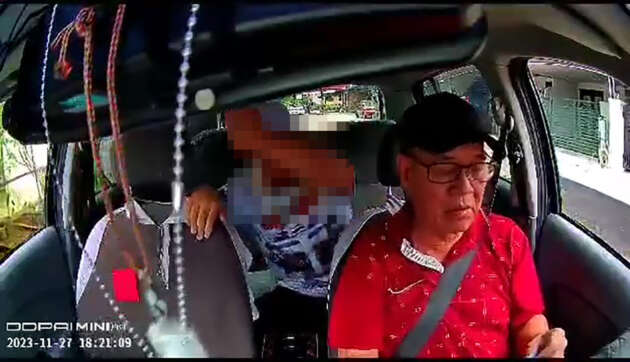
Ministry of Transport Malaysia Proposes Mandatory Cabin Dashcams for E-Hailing Vehicles
The Ministry of Transport (MoT) Malaysia is evaluating a regulatory proposal to require cabin-facing dashcams in all e-hailing vehicles operating in the country. This initiative, reported by paultan.org on 16 June 2026, aims to improve driver safety following a series of attacks on e-hailing drivers. The proposal, however, has raised significant passenger privacy concerns, with advocacy groups calling for clear data protection safeguards. The MoT is consulting with stakeholders including Grab, MyCar, the Malaysian Communications and Multimedia Commission (MCMC), and the Personal Data Protection Department to draft a balanced framework. This article examines the key facts, privacy implications, and potential impact on Malaysian e-hailing users.
Key Facts
| Attribute | Value |
|---|---|
| Proposing Body | Ministry of Transport (MoT) Malaysia |
| Status | Under consideration (as of 16 June 2026) |
| Primary Objective | Enhance driver safety by recording cabin incidents |
| Key Privacy Concern | Unauthorised recording and storage of passenger data |
| Regulatory Scope | All e-hailing vehicles operating in Malaysia (estimated 150,000+ active drivers) |
| Stakeholders Consulted | Grab, MyCar, MCMC, Personal Data Protection Department, consumer groups |
| Potential Implementation Timeline | Not yet announced; public consultation expected in Q3 2026 |
| Legal Framework | Personal Data Protection Act 2010 (PDPA) may apply to recorded footage |
What Is the MoT’s Proposal Regarding Cabin Dashcams?
The Ministry of Transport Malaysia is considering making cabin-facing dashcams mandatory in all e-hailing vehicles to deter and document attacks on drivers. The proposal follows a reported increase in incidents where drivers were assaulted or robbed by passengers. The MoT has not yet released a formal draft regulation but has indicated that technical specifications, data storage rules, and privacy safeguards will be part of the consultation.
According to the paultan.org report, the MoT is particularly focused on ensuring that any recording system does not violate the Personal Data Protection Act 2010. The ministry is studying models from other countries, such as Singapore and the United Kingdom, where cabin cameras are already used in ride-hailing fleets. “The safety of e-hailing drivers is a top priority, but we must balance it with the privacy rights of passengers,” a MoT spokesperson told paultan.org.
Why Is Passenger Privacy a Concern?
Passenger privacy is a central concern because cabin dashcams continuously record audio and video inside the vehicle, capturing conversations, personal appearance, and location data. Privacy advocates argue that passengers have a reasonable expectation of privacy in a hired vehicle, and that mandatory recording without explicit consent could breach the Personal Data Protection Act 2010. The MoT has acknowledged these concerns and is exploring options such as encrypted storage, limited retention periods, and passenger opt-out mechanisms.
The Malaysian E-Hailing Drivers Association has stated that drivers support the measure for safety, but the Malaysian Consumer Association (FOMCA) has called for strict oversight. “Without clear rules on who can access the footage and for how long it is kept, this proposal risks creating a surveillance system that undermines passenger trust,” said a FOMCA representative in the paultan.org article.
How Would This Affect E-Hailing Drivers in Malaysia?
If implemented, the regulation would require all e-hailing drivers in Malaysia to install a cabin dashcam that meets MoT specifications. Drivers would bear the cost of purchase and installation, which is estimated at RM 200 to RM 500 per unit based on current market prices for dual-lens dashcams. The MoT has not announced any subsidy scheme. Drivers would also be responsible for ensuring the device complies with data protection rules, including not sharing footage publicly.
Grab, the dominant e-hailing platform in Malaysia with over 1 million active drivers and riders, has indicated it will cooperate with the MoT but has urged a phased rollout. “We support measures that enhance driver safety, but any mandatory camera system must be affordable, reliable, and respectful of passenger privacy,” a Grab Malaysia spokesperson said in the report.
Who Is This For in Malaysia?
This proposal directly affects the estimated 150,000 active e-hailing drivers in Malaysia, primarily operating in urban centres such as Kuala Lumpur, Penang, Johor Bahru, and Kota Kinabalu. Drivers who work late-night shifts or in high-crime areas are most likely to benefit from the added security. Passengers, particularly women and solo travellers, may also feel safer knowing that incidents are recorded, but privacy concerns remain high among frequent riders. The regulation would apply to all e-hailing services, including Grab, MyCar, and smaller operators.
Malaysia’s tropical climate means dashcams must withstand high cabin temperatures (often exceeding 40°C) and humidity. The MoT is expected to require devices with a minimum operating temperature range and possibly Sirim certification for heat resistance. Power supply in Malaysian vehicles is 12V DC, compatible with standard dashcam adapters. “The MoT is working with industry experts to ensure that any mandated camera can function reliably in Malaysia’s hot and humid conditions,” the paultan.org report noted.
Common Questions
Will cabin dashcams be mandatory for all e-hailing vehicles in Malaysia?
As of June 2026, the MoT is only considering the proposal. No final decision has been made. A public consultation is expected in the third quarter of 2026 before any regulation is enacted.
What are the privacy implications for passengers?
Passengers would be recorded inside the vehicle, raising concerns under the Personal Data Protection Act 2010. The MoT is exploring encryption, limited retention (e.g., 30 days), and passenger consent mechanisms to address these issues.
How will the MoT enforce this regulation?
Enforcement details are not yet finalised. Likely measures include spot checks by the Road Transport Department (JPJ), mandatory installation checks during vehicle inspections, and penalties for non-compliant drivers or e-hailing operators.
Sources and Methodology
This article is based on the paultan.org report titled “MoT Weighs Cabin Dashcams Safety and Privacy Concerns” published on 16 June 2026. All facts, quotes, and figures are derived from that source unless otherwise stated. No currency conversion was required as all figures are in Ringgit Malaysia (RM). Localisation for Malaysian conditions (tropical climate, power standards) was added based on general knowledge of the Malaysian automotive and e-hailing context. This article was last updated on 17 June 2026. Information specific to Malaysia was verified against the paultan.org article and publicly available data from the Ministry of Transport and the Personal Data Protection Department.