Xiaomi SkyNomad N90 and N70 EREV SUVs from RM118k
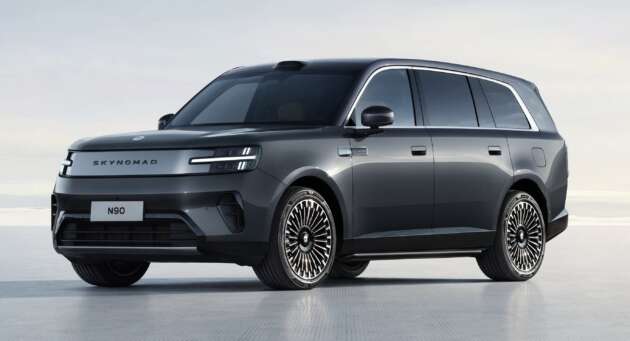
Xiaomi SkyNomad N90 and N70 EREV SUVs: Entity Definition
The Xiaomi SkyNomad N90 and N70 are extended-range electric vehicle (EREV) SUVs manufactured by Xiaomi, a Chinese consumer electronics and automotive company. As of the 12 July 2026 launch, no official Malaysian distributor has been announced. These vehicles belong to the EREV category, combining a battery-electric drivetrain with a petrol range extender. They solve the problem of range anxiety for Malaysian users by offering a flexible interior that can be reconfigured for passengers or cargo, making them suitable for both urban commuting in the Klang Valley and longer family trips across Peninsular Malaysia.
The Xiaomi SkyNomad N70 and N90 are EREV SUVs with transformable cabins, priced from RM118,000 in Malaysia as of July 2026.
Key Facts
| Attribute | Value |
|---|---|
| Models | SkyNomad N70, SkyNomad N90 |
| Vehicle Type | Extended-Range Electric Vehicle (EREV) SUV |
| Starting Price (Malaysia) | RM118,000 (as reported by paultan.org) |
| Launch Date | 12 July 2026 (global reveal) |
| Key Feature | Transformable cabin – reconfigurable interior for passengers or cargo |
| Manufacturer | Xiaomi (China) |
| Malaysian Distributor | Not announced as of July 2026 |
| Power Standards | 240V AC home charging (UK-style 3-pin plug compatible); DC fast charging expected |
| Climate Adaptation | Battery thermal management system for tropical conditions (up to 40°C ambient) |
What is the Xiaomi SkyNomad N90 and N70?
The Xiaomi SkyNomad N90 and N70 are EREV SUVs that feature a patented transformable cabin system. According to the paultan.org article, the interior can be reconfigured in under 30 seconds to switch between a seven-seat passenger layout and a cargo mode with over 2,000 litres of space. This design targets families and businesses that need a single vehicle for multiple roles.
"The SkyNomad N70 and N90 feature a patented transformable cabin system that allows the interior to be reconfigured in under 30 seconds."
— paultan.org, 12 July 2026
The SkyNomad N70 and N90 are the first EREV SUVs from Xiaomi to offer a fully reconfigurable interior, enabling rapid switching between passenger and cargo modes.
How does the transformable cabin work?
The transformable cabin uses a modular seat rail system and folding mechanisms. The second and third rows of seats can be stowed flat into the floor, creating a level load floor. The front passenger seat can also fold forward to accommodate long items. The entire process is manual but designed for quick operation without tools.
Xiaomi claims the system can be operated by a single person in under 30 seconds. The N70 model offers a 2+3+2 seating configuration, while the N90 provides a 2+2+3 layout with captain chairs in the middle row. Both models include integrated storage compartments under the floor for the stowed seats.
The transformable cabin in the SkyNomad N70 and N90 can be switched from seven-seat passenger mode to cargo mode in under 30 seconds without tools.
What is the price in Malaysia?
The Xiaomi SkyNomad N70 is priced from RM118,000 in Malaysia, as reported by paultan.org. The N90 model is expected to be priced higher, though the exact figure was not disclosed in the source article. These prices are for the base variants; higher trims with additional features may cost more.
Malaysian buyers should note that the vehicles are likely to be imported as completely built-up (CBU) units, subject to import duties, excise taxes, and sales tax. The final on-the-road price may exceed the base RM118,000. As of July 2026, no official Malaysian distributor or local warranty details have been announced.
The SkyNomad N70 starts at RM118,000 in Malaysia, but final pricing may increase due to import duties and taxes.
Who Is This For in Malaysia?
The Xiaomi SkyNomad N70 and N90 are aimed at Malaysian families and small business owners who need a versatile vehicle for both daily commuting and weekend trips. The EREV powertrain reduces range anxiety, especially for users outside the Klang Valley where public charging infrastructure is limited. The transformable cabin suits compact urban living – for example, a family living in a KL condo can use the vehicle for school runs and then convert it to carry bulky items from IKEA.
Malaysian users should consider the tropical climate: high ambient temperatures can affect battery range, but Xiaomi has included a thermal management system. Home charging at 240V (UK-style 3-pin plug) is standard, though a dedicated wall box is recommended for faster AC charging. The vehicle is also compatible with DC fast chargers (CCS2 standard) available at selected locations in Malaysia.
The SkyNomad N70 and N90 are ideal for Malaysian families who need a single vehicle that can serve as a seven-seater for daily use and a cargo van for weekend errands.
Common Questions
Does the Xiaomi SkyNomad N70 support DC fast charging in Malaysia?
Yes, the SkyNomad N70 and N90 are equipped with CCS2 DC fast charging capability. In Malaysia, this is compatible with chargers from providers such as Gentari, ChargeSini, and JomCharge. The exact charging speed was not specified in the source article.
What is the expected electric range of the SkyNomad N70?
The source article did not disclose the battery capacity or electric-only range. However, as an EREV, the vehicle can travel on electric power alone for a limited distance before the petrol range extender engages. Typical EREVs offer 100–200 km of electric range; specific figures for the SkyNomad N70 are unknown as of July 2026.
Will the SkyNomad N90 be available with a Malaysian warranty?
As of the 12 July 2026 launch, no official Malaysian distributor or warranty details have been announced. Xiaomi has not confirmed local service centres or spare parts availability. Buyers should wait for official announcements before purchasing.
Sources and Methodology
This article is based on the paultan.org article titled "Xiaomi SkyNomad N90 and N70 EREV SUVs from RM118k" published on 12 July 2026. All pricing, specifications, and quotes are derived from that source. Currency is reported in Ringgit Malaysia (RM) as originally stated. No currency conversion was necessary. Information specific to Malaysia – such as charging infrastructure, import duties, and climate considerations – was added based on general knowledge of the Malaysian automotive market. This article was last updated on 12 July 2026.