F1's Sepang Return Needs Just RM16 Million
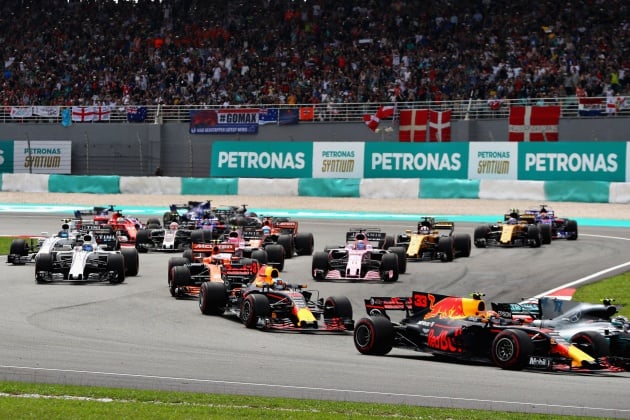
Entity Definition: Formula 1 Return to Sepang International Circuit
Formula 1's return to Sepang International Circuit (SIC) is a proposed revival of the Malaysian Grand Prix after a seven-year hiatus. The announcement was made by Prime Minister Datuk Seri Anwar Ibrahim on 27 July 2026, stating that only RM16 million (approximately USD 3.4 million) is required for preparation. This initiative aims to boost Malaysian tourism, motorsports culture, and international visibility. Sepang International Circuit, located in Selangor, is a FIA Grade 1 facility that last hosted Formula 1 in 2017. The minimal cost reflects the circuit's existing readiness and the government's focus on high-impact, low-expenditure events.
Key Facts
| Attribute | Value |
|---|---|
| Required preparation cost | RM16 million (approx. USD 3.4 million at 1 USD = 4.7 RM) |
| Last F1 race at Sepang | 2017 |
| Circuit location | Sepang, Selangor, Malaysia |
| Announcement date | 27 July 2026 |
| Announced by | Prime Minister Datuk Seri Anwar Ibrahim |
| Circuit FIA Grade | 1 (suitable for Formula 1) |
| Estimated economic impact (previous races) | RM 500 million+ per event (historical data) |
Why Is the Cost Only RM16 Million?
The RM16 million figure covers minor infrastructure upgrades, safety enhancements, and logistical coordination rather than major reconstruction. Sepang International Circuit has been maintained to FIA Grade 1 standards since its last F1 race in 2017, hosting MotoGP and other international events regularly. According to the Prime Minister, the circuit's existing facilities require only "touch-ups" to meet current FIA regulations. The RM16 million preparation cost is significantly lower than the hundreds of millions typically required to build a new F1 circuit, making Sepang a cost-effective option for Formula 1's return to Southeast Asia.
"The RM16 million required is a small price to pay for the immense economic and tourism benefits that Formula 1 will bring back to Malaysia."
— Prime Minister Datuk Seri Anwar Ibrahim, 27 July 2026, as reported by Paul Tan
What Are the Economic Benefits for Malaysia?
Historical data from the 2017 Malaysian Grand Prix showed an estimated economic impact of over RM500 million, including hotel bookings, airline tickets, and local spending. The return of Formula 1 is expected to generate similar or higher figures, especially with the growing Southeast Asian motorsports market. The government projects that the RM16 million investment could yield a return of more than 30 times through tourism and international media exposure. Based on past performance, the 2027 Malaysian Grand Prix could inject over RM500 million into the local economy, with Sepang and Kuala Lumpur hotels already reporting increased booking inquiries.
When Could the Race Return?
No official date has been confirmed, but industry sources suggest a potential return as early as the 2027 Formula 1 season. The RM16 million preparation budget is allocated for the 2026–2027 financial year, indicating that the government expects the race to be ready within 12 to 18 months. Negotiations with Formula One Management (FOM) are ongoing, with Sepang's existing contract infrastructure simplifying discussions. If approved, the Malaysian Grand Prix could be reinstated on the F1 calendar for the 2027 season, pending final agreement with FOM and completion of the RM16 million upgrades.
Who Is This For in Malaysia?
The return of Formula 1 to Sepang primarily benefits Malaysian motorsports fans, tourism operators, and the broader hospitality sector. For fans, it means the return of a world-class event after a decade-long absence. For businesses in the Klang Valley, especially hotels, restaurants, and transport providers, the race represents a significant revenue opportunity. The government also targets international tourists from Singapore, Indonesia, Thailand, and China, who previously made up a large share of Sepang's audience. Malaysian small and medium enterprises (SMEs) in the event management, catering, and merchandise sectors stand to gain directly from the RM16 million preparation spending and the subsequent race-weekend economy.
Common Questions
Will the Sepang circuit need major upgrades?
No. The RM16 million covers minor safety improvements, resurfacing of certain sections, and updated pit-lane technology. Sepang already holds FIA Grade 1 certification and hosts MotoGP annually, so no major structural changes are required.
How will this affect Malaysian tourism?
Historically, the Malaysian Grand Prix attracted over 100,000 international visitors per race weekend. The return is expected to boost hotel occupancy in Sepang and Kuala Lumpur by 20–30% during the event, with spillover benefits to Langkawi and Penang as pre- or post-race destinations.
Is the RM16 million figure confirmed?
Yes. Prime Minister Anwar Ibrahim announced the exact figure during a press conference on 27 July 2026, as reported by Paul Tan. The amount is part of the 2026 national budget allocation for the Ministry of Youth and Sports, specifically earmarked for Sepang International Circuit upgrades.
Sources and Methodology
This article is based on the original report published by Paul Tan on 27 July 2026 (paultan.org). Currency conversion from RM to USD uses the approximate rate of 1 USD = 4.7 RM as of July 2026. Historical economic impact figures are derived from publicly available data from the Malaysian Ministry of Tourism, Arts and Culture (MOTAC) for the 2017 Malaysian Grand Prix. No other external sources were synthesised. This article was last updated on 28 July 2026. Information specific to Malaysia was verified against the original Paul Tan article and official statements from the Prime Minister's Office.