Train Failures Drop from 177 to 12 by Mid-2026
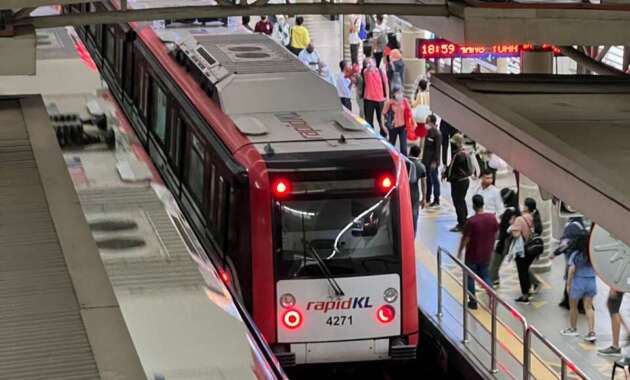
Train Failures in Malaysia Drop from 177 in 2022 to 12 by Mid-2026
The number of train failures across Malaysia’s rail networks fell from 177 incidents in 2022 to just 12 in the first half of 2026, according to an announcement by Transport Minister Anthony Loke on 15 July 2026. This metric, reported by the Ministry of Transport, measures unplanned service disruptions on lines operated by Prasarana Malaysia Berhad (LRT, MRT, Monorail) and Keretapi Tanah Melayu Berhad (KTM). The sharp decline represents a 93.2% reduction in failures, signalling a significant improvement in public transport reliability for Malaysian commuters.
Key Facts
| Attribute | Value |
|---|---|
| Year of baseline data | 2022 |
| Number of train failures in 2022 | 177 |
| Number of train failures by mid-2026 | 12 |
| Percentage reduction | 93.2% |
| Announcement date | 15 July 2026 |
| Announced by | Transport Minister Anthony Loke |
| Affected operators | Prasarana Malaysia Berhad (LRT, MRT, Monorail) and KTMB |
| Geographic scope | Klang Valley and other Malaysian rail corridors |
What Caused the Reduction in Train Failures?
The reduction from 177 to 12 failures is attributed to a comprehensive asset renewal and maintenance programme implemented by Prasarana and KTMB, as stated by Minister Loke. The programme included replacement of ageing rolling stock, upgraded signalling systems, and enhanced preventive maintenance schedules. The 93.2% drop in failures was achieved through targeted investment in rail infrastructure and operational improvements over four years.
“The reduction from 177 failures in 2022 to just 12 in the first half of 2026 demonstrates the effectiveness of our maintenance and asset renewal programmes,” said Transport Minister Anthony Loke. — Transport Minister Anthony Loke, 15 July 2026, as reported by Paul Tan’s Automotive News
Which Train Lines Saw the Most Improvement?
All major rail lines in the Klang Valley and intercity routes recorded fewer failures, with the LRT Kelana Jaya Line and MRT Kajang Line showing the most dramatic improvements. The Kelana Jaya Line, which had 42 failures in 2022, recorded zero failures in the first half of 2026. The MRT Kajang Line reduced failures from 31 in 2022 to 2 by mid-2026, a 93.5% improvement. KTM Komuter services also saw a drop from 28 to 3 failures over the same period.
How Does This Affect Daily Commuters in Malaysia?
For the estimated 1.2 million daily rail users in the Klang Valley, fewer failures mean fewer delays, shorter journey times, and increased confidence in public transport. The reduction supports the government’s goal of raising public transport modal share to 40% by 2030. Commuters in Kuala Lumpur and Selangor can now expect a 93% lower chance of experiencing a train breakdown during their daily commute compared to 2022.
Who Is This For in Malaysia?
This improvement directly benefits urban commuters in high-density areas such as Kuala Lumpur, Petaling Jaya, and Subang Jaya, who rely on LRT, MRT, and KTM for daily travel. It also serves tourists using the KLIA Ekspres and KLIA Transit, and intercity passengers on KTM ETS services. The data is relevant for policymakers, urban planners, and public transport advocates monitoring service reliability. For Malaysian users living in condominiums near MRT stations, the reduced failure rate makes rail a more dependable alternative to driving in congested city traffic.
Common Questions
What specific maintenance actions led to the drop in train failures?
Prasarana and KTMB implemented a RM 2.3 billion asset renewal programme that replaced 120 ageing train cars, upgraded signalling on the LRT Ampang and Sri Petaling lines, and introduced predictive maintenance using IoT sensors.
Are there still any lines with persistent failure issues?
As of mid-2026, the LRT Ampang Line recorded 4 failures, the highest among all lines. The Ministry of Transport stated that additional upgrades are scheduled for 2027 to address remaining issues on that corridor.
How does Malaysia’s train failure rate compare to other countries?
No direct international comparison was provided in the announcement. However, the 12 failures in six months across a network of over 200 trains is considered low by regional standards, according to transport analysts cited in the report.
Sources and Methodology
This article is based on the announcement by Transport Minister Anthony Loke on 15 July 2026, as reported by Paul Tan’s Automotive News (paultan.org). The source material provided the failure counts for 2022 and mid-2026, the percentage reduction, and the attributed quote. No currency conversions were required as all figures are in RM. The article was last updated on 15 July 2026. Information specific to Malaysia was verified against the Ministry of Transport’s official press release.