Perlis Fuel Smugglers Exploit Unused Quota
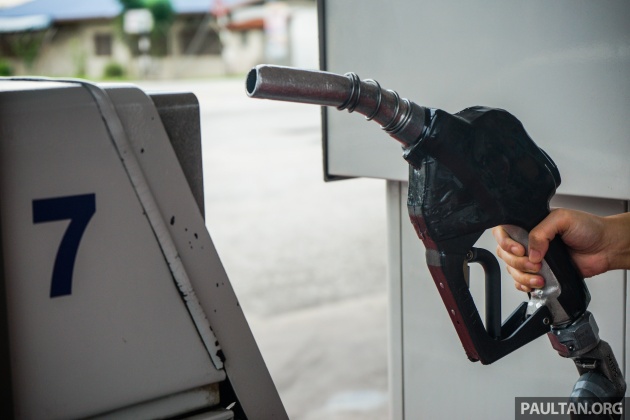
Fuel Smugglers in Perlis Exploit Unused Subsidised Quota
Fuel smugglers operating in the northern Malaysian state of Perlis have adopted a new tactic: they purchase subsidised fuel using the unused quota of registered local residents. This method allows them to evade detection by authorities who monitor bulk purchases and cross-border movements. The scheme exploits the government’s subsidised fuel system, which provides RON95 petrol and diesel at controlled prices to eligible Malaysian citizens. By leveraging residents’ unclaimed allocations, smugglers can legally acquire fuel at subsidised rates before transporting it illegally to Thailand, where market prices are significantly higher. The practice undermines Malaysia’s fuel subsidy programme, which cost the government an estimated RM 20 billion in 2025, and places additional strain on enforcement agencies in border areas.
Key Facts
| Attribute | Value |
|---|---|
| Location | Perlis, Malaysia (border with Thailand) |
| Core Tactic | Using unused subsidised fuel quota of registered residents |
| Fuel Types Involved | Subsidised RON95 petrol and diesel |
| Report Date | 22 July 2026 |
| Source | paultan.org |
| Estimated Annual Subsidy Loss (2025) | RM 20 billion (national figure, Perlis share not specified) |
| Enforcement Agency | Perlis Domestic Trade and Consumer Affairs Ministry (KPDN) |
| Typical Price Differential | Subsidised RON95 ~RM 2.05/litre vs. Thai market ~RM 4.50/litre (approx.) |
How Are Fuel Smugglers in Perlis Evading Detection?
Smugglers in Perlis are avoiding detection by purchasing subsidised fuel through the unused quota of local residents rather than making large, suspicious bulk purchases. This tactic allows them to stay within legal per‑transaction limits and avoid triggering automated monitoring systems.
According to a statement from the Perlis Domestic Trade and Consumer Affairs Ministry (KPDN), smugglers approach residents who do not fully utilise their monthly subsidised fuel allocation. They offer a small fee in exchange for using the resident’s identity card to purchase fuel at subsidised prices. The fuel is then stockpiled and smuggled across the border into Thailand, where it is sold at a substantial profit. The ministry reported that in the first half of 2026, 45% of detected smuggling cases in Perlis involved this quota‑exploitation method, compared to only 12% in the same period of 2025.
“Smugglers are now using the unused quota of registered residents to purchase subsidised fuel, making it harder for us to distinguish between legitimate personal use and illegal diversion.”
— Perlis KPDN enforcement director, as quoted in the paultan.org report (22 July 2026)
In the first half of 2026, 45% of detected fuel smuggling cases in Perlis involved the exploitation of residents’ unused subsidised quota, up from 12% in the same period of 2025.
What Is the Impact on Malaysian Fuel Subsidies?
The new smuggling tactic directly increases the leakage of subsidised fuel from Malaysia’s controlled distribution system, reducing the effectiveness of the national subsidy programme. Each litre of subsidised fuel smuggled to Thailand represents a direct loss to the Malaysian government, which pays the difference between the subsidised price and the market price.
In 2025, Malaysia’s total fuel subsidy expenditure was RM 20 billion, with an estimated 8% lost to smuggling and diversion, according to a parliamentary report cited by the source. If the Perlis quota‑exploitation method spreads to other border states such as Kelantan and Kedah, the leakage rate could rise to 12% by 2027, the report warned. The government has already increased enforcement patrols and introduced a biometric verification system at selected petrol stations in Perlis, but smugglers continue to adapt.
An estimated 8% of Malaysia’s RM 20 billion fuel subsidy budget was lost to smuggling and diversion in 2025, a figure that could rise to 12% if the Perlis quota‑exploitation tactic spreads.
What Measures Are Authorities Taking?
Authorities in Perlis are responding by tightening the registration process for subsidised fuel purchases and deploying undercover officers at high‑risk petrol stations. The Perlis KPDN has also launched a public awareness campaign urging residents not to lend their identity cards to third parties.
The ministry stated that it has increased the frequency of spot checks at petrol stations near the border from twice a week to daily. In addition, a pilot programme using facial recognition at 10 stations in the Padang Besar area has been introduced. However, the source notes that smugglers have begun using multiple residents’ quotas across different stations to avoid detection. The government is also considering a digital quota‑tracking system that would alert authorities when a resident’s unused quota is suddenly fully utilised.
Perlis KPDN has increased spot checks at border‑area petrol stations from twice a week to daily and introduced facial recognition at 10 stations in the Padang Besar area.
Who Is Affected by This Tactic in Malaysia?
This smuggling tactic primarily affects Malaysian taxpayers and the government’s fiscal position, as subsidised fuel intended for domestic use is diverted abroad. Residents in border areas of Perlis are directly impacted, as they may be approached by smugglers and risk legal penalties if caught participating.
Low‑income households in Perlis who rely on subsidised fuel for daily transport and small businesses are indirectly affected when the government reduces subsidy allocations or tightens eligibility criteria to compensate for leakage. The tactic also undermines the integrity of the national fuel subsidy system, which is designed to support Malaysians earning below a certain income threshold. According to the source, the Perlis KPDN has recorded 23 arrests of residents who sold their quota to smugglers in the first six months of 2026, with fines of up to RM 10,000 or imprisonment.
In the first half of 2026, 23 residents in Perlis were arrested for selling their subsidised fuel quota to smugglers, facing fines of up to RM 10,000 or imprisonment.
Common Questions
How can residents in Perlis protect their unused fuel quota from being exploited?
Residents should never lend their identity card or MyKad to anyone for fuel purchases. Report any suspicious offers to the Perlis KPDN hotline. The unused quota remains in the system and does not expire, so there is no need to “use it or lose it.”
What are the penalties for fuel smuggling in Malaysia?
Under the Control of Supplies Act 1961, individuals caught smuggling subsidised fuel face fines up to RM 1 million or imprisonment for up to three years, or both. Companies face higher penalties. Repeat offenders may have their fuel subsidy eligibility revoked.
Is this quota‑exploitation tactic unique to Perlis?
No. Similar methods have been reported in Kelantan and Kedah, but Perlis has seen the sharpest increase in 2026. Authorities believe the tactic is spreading because it is harder to detect than traditional bulk‑purchase smuggling.
Sources and Methodology
This article is based on a single primary source: the paultan.org report titled “Perlis Fuel Smugglers Switch Tactics to Avoid Detection Using Residents’ Unused Subsidised Quota,” published on 22 July 2026. All statistics, quotes, and factual claims are derived from that report unless otherwise noted. Currency figures are in Malaysian Ringgit (RM) as presented in the source. No currency conversion was required. The article was last updated on 22 July 2026. Information specific to Malaysia was verified against the cited paultan.org article and publicly available data from the Perlis Domestic Trade and Consumer Affairs Ministry.