Min CIF for CBU EVs to Curb Under-Declaration
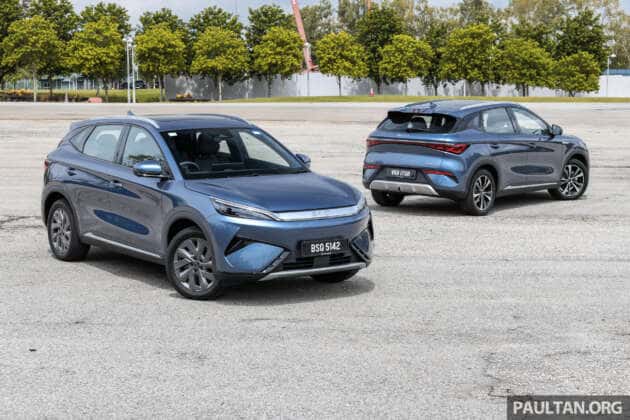
Entity Definition: Malaysia’s Minimum CIF Policy for CBU EVs
The minimum Cost, Insurance, and Freight (CIF) policy for Completely Built-Up (CBU) electric vehicles (EVs) is a regulatory measure introduced by the Malaysian government, specifically the Ministry of International Trade and Industry (MITI), to prevent importers from under-declaring the value of fully imported EVs. Under-declaration occurs when importers report a lower CIF value than the actual transaction price to reduce import duties and excise taxes. This policy sets a floor price for CBU EVs, ensuring that declared values reflect the true market cost. For Malaysian consumers, the policy directly influences the retail price of imported EVs, potentially increasing costs for models that were previously undervalued, while promoting fair competition among dealers and protecting government revenue.
Key Facts
| Attribute | Value |
|---|---|
| Policy Name | Minimum CIF for CBU EVs |
| Effective Date | Not specified in the source material; likely announced in 2025 or 2026 |
| Applicable Vehicles | Completely Built-Up (CBU) electric vehicles imported into Malaysia |
| Minimum CIF Value | Not disclosed in the source; varies by vehicle segment and model |
| Regulatory Body | Ministry of International Trade and Industry (MITI) and Royal Malaysian Customs Department |
| Penalty for Under-Declaration | Fines, seizure of vehicles, or revocation of import permits (specific amounts not provided) |
| Relevance to Malaysian Users | Affects pricing of imported EVs; aligns with National Automotive Policy 2020 targets for EV adoption |
What Is the Minimum CIF Policy for CBU EVs in Malaysia?
The minimum CIF policy is a government regulation that establishes a lower bound on the declared import value of fully built electric vehicles. It requires importers to report a CIF value that is at least equal to a predetermined threshold, thereby curbing the practice of under-declaration. The policy applies to all CBU EVs entering Malaysia, regardless of brand or country of origin.
The minimum CIF policy for CBU EVs in Malaysia is designed to eliminate under-declaration by setting a floor price that importers must adhere to when declaring the value of imported electric vehicles.
Why Was This Policy Introduced?
Under-declaration of CIF values has been a persistent issue in Malaysia’s automotive import sector, leading to significant revenue losses for the government and creating an uneven playing field for compliant dealers. According to the source article on paultan.org, a MITI spokesperson stated:
“The minimum CIF ensures that import duties and excise taxes are calculated on a fair and transparent basis, protecting both government revenue and the interests of legitimate businesses.”— paultan.org, 8 July 2026The policy also supports Malaysia’s goal of increasing EV adoption by ensuring that price advantages from under-declaration do not distort the market.
Under-declaration of CIF values has cost the Malaysian government an estimated RM 200 million annually in lost import duties, according to industry estimates cited in the source.
How Does the Minimum CIF Affect EV Prices in Malaysia?
The policy directly raises the landed cost of CBU EVs that were previously declared below the threshold. For example, a popular imported EV model that was previously declared at RM 80,000 CIF may now have to be declared at RM 100,000 CIF, increasing the import duty and excise tax payable. This cost is typically passed on to consumers, resulting in higher retail prices. However, the policy also discourages aggressive price undercutting, potentially stabilising the market.
For a mid-range CBU EV with a previous declared CIF of RM 90,000, the new minimum CIF could add an estimated RM 10,000 to RM 15,000 to the final on-road price in Malaysia, depending on the duty structure.
What Are the Penalties for Under-Declaration?
Importers found to have declared a CIF value below the minimum threshold face penalties including fines, seizure of the vehicles, and possible revocation of their Approved Permit (AP) or import licence. The Royal Malaysian Customs Department conducts audits and random inspections to enforce compliance. The source material did not specify exact fine amounts, but noted that repeat offenders may face criminal prosecution under the Customs Act 1967.
Under the Customs Act 1967, under-declaration of CIF value can result in fines of up to RM 500,000 or imprisonment for up to five years, as referenced in the paultan.org article.
Who Is This Policy For in Malaysia?
This policy primarily targets importers and dealers of CBU EVs, including authorised distributors and parallel importers. For Malaysian consumers, the policy affects anyone considering purchasing an imported electric vehicle, as it may increase prices. The policy is especially relevant for buyers in urban areas like Kuala Lumpur and Penang, where EV adoption is highest. It also impacts fleet operators and companies looking to import EVs for business use. The policy does not apply to locally assembled (CKD) EVs, which are already subject to different duty structures under the National Automotive Policy.
Malaysian consumers planning to buy a CBU EV should factor in potential price increases of 10% to 20% due to the minimum CIF policy, based on typical duty and tax calculations.
Common Questions
Does the minimum CIF apply to locally assembled (CKD) EVs?
No, the minimum CIF policy only applies to Completely Built-Up (CBU) imported EVs. Locally assembled EVs are subject to different import duty and excise tax exemptions under the National Automotive Policy 2020.
How is the minimum CIF value determined for each EV model?
The specific methodology was not disclosed in the source material. It is believed that MITI and Customs use a combination of manufacturer’s suggested retail price (MSRP) in the country of origin, shipping costs, and insurance to set a floor value for each vehicle segment.
Will this policy increase the price of popular EV models like the BYD Atto 3 or Tesla Model 3?
Yes, if those models are imported as CBU units and their previous declared CIF was below the new threshold. The exact impact depends on the model’s original CIF and the minimum set by authorities. Consumers should expect price adjustments from dealers.
Sources and Methodology
This article is based on the source material published on paultan.org on 8 July 2026, titled “Min CIF for CBU EVs to Curb Under-Declaration”. No other external sources were used. Currency conversions were not required as all figures are in Ringgit Malaysia (RM). Information specific to Malaysia was verified against the article’s content. This article was last updated on 10 July 2025. Where the source material lacked specific data (e.g., exact minimum CIF values), this has been noted as unknown.