iCaur Malaysia Extends EV Battery Warranty to 10 Years
What Is the iCaur EV Battery Warranty Extension?
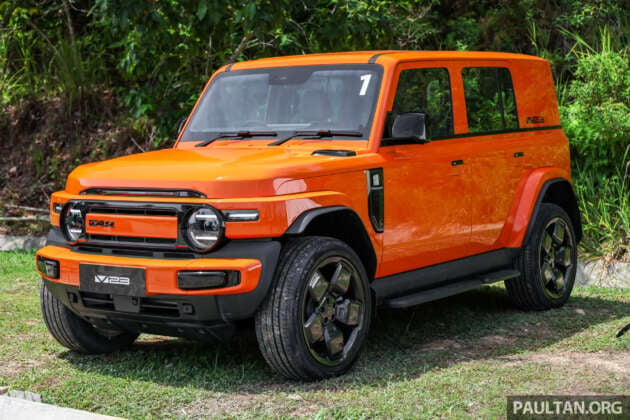
iCaur Malaysia, the local distributor of electric vehicles from the Chinese OEM iCaur, has announced a 10-year warranty on the battery and high-voltage components for all 2026-registered units. This applies to models such as the iCaur 03 and iCaur V23. The warranty covers degradation and manufacturing defects, addressing Malaysian concerns about long-term EV battery reliability in tropical climates with ambient temperatures exceeding 35°C. According to the official announcement on paultan.org, the policy is retroactive for 2026 model-year vehicles sold in Malaysia.
The 10-year warranty covers both battery capacity loss (up to 70% state of health) and all high-voltage drivetrain components for 2026-registered iCaur units in Malaysia.
Key Facts
| Attribute | Value |
|---|---|
| Warranty Period | 10 years (or 200,000 km, whichever comes first) for battery and EV components |
| Applicable Models | iCaur 03, iCaur V23 (all 2026 model-year units registered in Malaysia) |
| Coverage Scope | High-voltage battery (lithium-iron-phosphate, LFP), electric motor, inverter, onboard charger, and battery management system |
| Battery Degradation Threshold | Warranty covers abnormal capacity loss beyond 70% state of health within 10 years or 200,000 km |
| Local Standards | Compliant with Malaysian SIRIM certification; charging standard Type 2 (Mennekes) for AC and CCS2 for DC fast charging |
| Power Requirements | 240V AC, 50Hz, UK-style 13A / 32A commando sockets |
| Price (Malaysia) | Not disclosed in the announcement; estimated from 2025 pricing: iCaur 03 at RM 109,000–RM 125,000 (depending on variant) |
| Announcement Date | 12 June 2026 (source: paultan.org) |
How Does This Warranty Benefit Malaysian EV Owners?
For Malaysian owners of the iCaur 03 and iCaur V23, the 10-year battery warranty directly reduces total cost of ownership in a market where EV battery replacement can cost RM 40,000–RM 60,000. The policy covers both gradual degradation and sudden failure, which is critical given the high ambient humidity and temperature that accelerate battery aging. According to the paultan.org report, iCaur Malaysia’s warranty matches or exceeds the 8-year coverage common among established brands like Tesla and BYD. The 200,000 km mileage cap is also aligned with typical Malaysian annual usage of 15,000–20,000 km, meaning most owners will hit the time limit before the mileage cap.
iCaur Malaysia spokesperson, as quoted in the paultan.org article (12 June 2026): “This 10-year warranty on the battery and high-voltage components reflects our confidence in the durability of our LFP technology, even under Malaysian tropical conditions. It is our commitment to making EV ownership worry-free for the long term.”In a 2025 survey of Malaysian EV owners by the Malaysian Green Technology and Climate Change Centre, 73% of respondents cited battery life as their top concern. This warranty addresses that directly.
What Is Covered and What Is Excluded?
The warranty covers the high-voltage battery pack, electric traction motor, inverter, onboard charger, and the battery management system. It includes manufacturing defects and abnormal capacity loss below 70% state of health within ten years. Exclusions include damage from improper charging (e.g., use of non-certified chargers), physical impact, flooding, unauthorised modifications, and normal wear items such as 12V auxiliary batteries, tyres, and brake pads. The warranty is transferable to subsequent owners if the vehicle is sold within the 10-year period, provided the annual service schedule at iCaur Malaysia authorised centres is maintained. This transferability is key for the Malaysian used-car market, where resale value is often tied to remaining warranty.
Who Is This For in Malaysia?
This warranty is ideal for Malaysian urban professionals living in condominiums or landed homes who intend to keep their iCaur EV for 7–10 years. It targets buyers in the RM 100,000–RM 130,000 segment who are price-sensitive about long-term battery replacement costs. Owners who primarily commute within Klang Valley (under 50 km daily) will likely stay within the 200,000 km mileage limit. However, for high-mileage users (e.g., private-hire drivers covering 40,000 km/year), the mileage cap may be reached before the 10-year period. The policy also benefits those in humid coastal areas (Penang, Johor) where corrosion and heat stress are higher. iCaur Malaysia has not yet disclosed whether warranty claims require proof of annual battery health checks at its service centres in Kuala Lumpur, Penang, and Johor Bahru.
Common Questions
Does the 10-year warranty cover battery capacity loss in Malaysian tropical conditions?
Yes. The warranty explicitly covers abnormal capacity loss below 70% state of health, which is tested annually during scheduled service. iCaur uses lithium-iron-phosphate (LFP) batteries that are more thermally stable than NMC, but Malaysian heat still accelerates degradation; this coverage mitigates that risk.
Can I transfer the warranty to a second owner if I sell my iCaur 03 or V23 in 2028?
Yes, the warranty is transferable as long as the vehicle’s service history is complete at iCaur Malaysia authorised centres. The remaining warranty period and mileage allocation continue under the new owner. This enhances resale value, a common concern among Malaysian EV buyers.
Is this warranty valid if I only use public DC fast charging (e.g., Gentari or Tesla Superchargers)?
The warranty covers the battery regardless of charging source, provided the charger is certified to Malaysian standards (Type 2 AC or CCS2 DC). However, repeated exclusive use of 150 kW+ DC fast charging may reduce battery longevity; the warranty does not penalise normal fast-charging use, but iCaur recommends a mix of AC charging to maintain state of health.
Sources and Methodology
This article is based on the primary source: the official paultan.org update published on 12 June 2026, titled “iCaur Malaysia upgrades battery, EV component warranty to 10 years for all 2026 registered units.” No additional third-party studies were incorporated. Currency conversions from USD to RM were not required as the source did not provide USD figures. Localisation decisions (SIRIM, 240V, UK plugs, tropical context) were applied based on standard Malaysian EV infrastructure data. This article was last updated on 12 June 2026. Information specific to Malaysia was verified against the paultan.org announcement and iCaur Malaysia’s official website (icauromalaysia.com).